
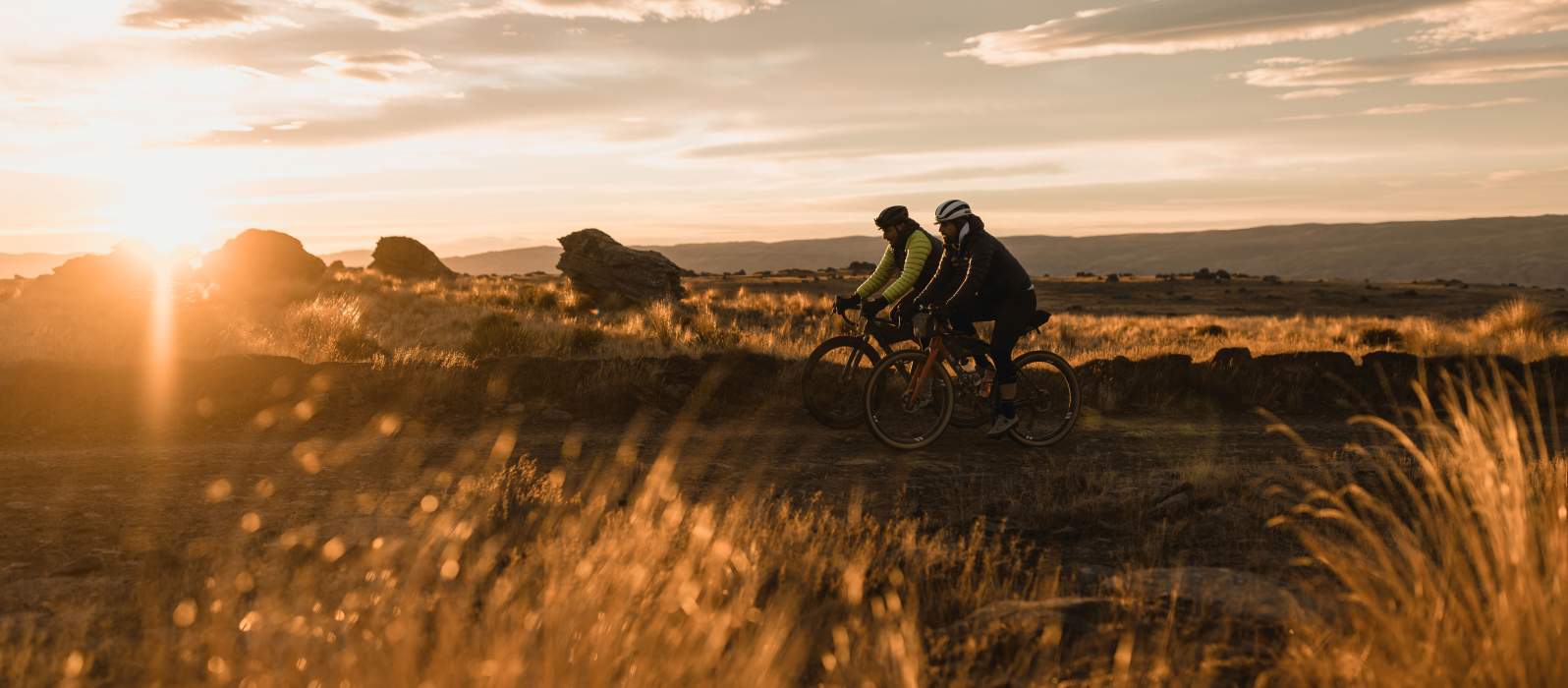

Bikepacking in Central Otago can be as gentle or as adventurous as you want it to be.
If you’re new to carrying bags on your bike, Central Otago's network of Ngā Haerenga Great Rides makes it easy to get started; with well-formed trails, manageable distances and plenty of places to pause along the way. Experienced local bike tour operators offer supported itineraries letting you roll between trail towns, stopping for coffee or a cold beer, sleep in a comfortable bed for the night and even have your luggage shuttled for you between destinations each day, meaning you can ride light.
For more seasoned cycle tourers, Central Otago offers another layer of adventure altogether. Beyond the Great Rides is a wide network of quiet backcountry gravel roads, big-skies, tussock-clad high country, and stretches where the riding feels properly remote but without being completely cut off. You can easily link trails, gravel roads and coffee stops into your own multi-day journey, whether you’re chasing kilometres on a big day out or a slower paced ride with time to look around.
What makes the region especially good for bikepacking is how naturally the pieces all fit together. Trail towns are spaced just right for refuelling at local bakeries, pubs or cafes, with bike-friendly accommodation, luggage transfer services, shuttles, and bike hire available from local tour operators. Go fully self-supported, book a few comforts ahead, or mix and match as you go - Central Otago’s cycling infrastructure is set up for multi-day riding, but still feels relaxed enough to make the journey your own.
Central Otago's Ngā Haerenga Great Rides of NZ
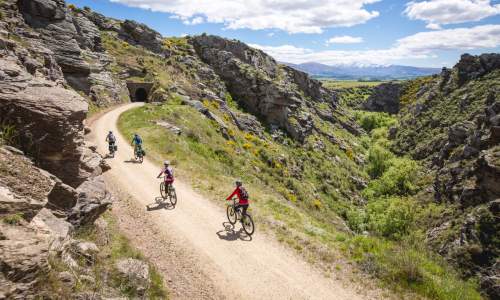
Otago Central Rail Trail
The Otago Central Rail Trail was the first of its kind. To be honest, a lot of people thought we were mad to put a bike track where the railway once was. But it seems to have caught the imagination.
Learn More
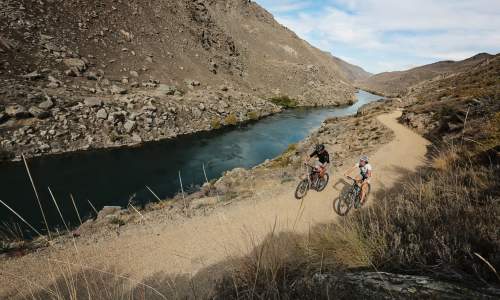
Roxburgh Gorge Trail
The Roxburgh Gorge Trail gives you the chance to escape into another world. It’s been called NZ’s version of the Grand Canyon, only smaller.
Learn More
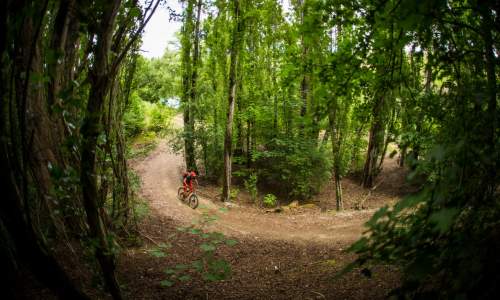
Clutha Gold Trail
Adventurous souls once travelled the path of the Clutha Gold Trail. Early Māori, pioneering run holders and miners seeking fortune. Thankfully, it’s a much easier journey now, as the trail travels alongside the powerful Clutha Mata-Au river
Learn More
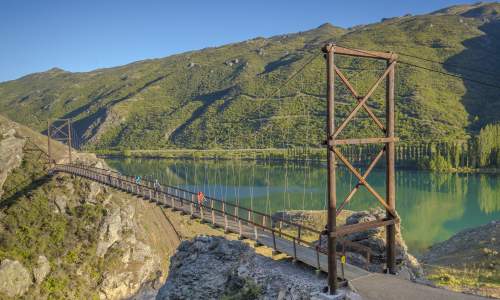
Lake Dunstan Trail
The Lake Dunstan Trail follows the shores of Lake Dunstan between Cromwell and Clyde, passing through the picturesque and renowned wine growing area of Bannockburn, Cornish Point and Cromwell Gorge.
Learn More
Need to Know - Bikepacking FAQs
-
Do I need to be an experienced cyclist to go bikepacking in Central Otago?
No. Central Otago is a great place to try bikepacking for the first time because you can start with the region’s well-established Great Rides, where the trails are safe and easy to follow and you’re never too far from a town, café, accommodation or support services. If you’re new to multi-day riding, choose shorter daily distances, pack light and give yourself plenty of time to stop along the way. Talk to one of the friendly local bike tour companies for advice about an itinerary that’s right for you.
For more experienced riders, there’s plenty of scope to build longer, more remote routes using backcountry gravel roads, high-country landscapes and quieter connections between trail towns.
For more information, check out this great guide to bikepacking for beginners.
-
What kind of bike do I need for bikepacking?
A gravel bike, touring bike, hardtail mountain bike or E-Bike are all good options depending on the terrain and trail surface of the route you choose. For the Great Rides, a comfortable bike suited to compacted gravel is best. Bike hire, including E-Bikes, is widely available across Central Otago.
The most important thing is that your bike is suitable for the route, well-maintained, set up correctly for your physique and can safely carry your gear - whether that’s in bikepacking bags, panniers or a mix of both.
-
Can I ride independently, or do I need to book a supported trip?
You can do either. Independent bikepacking is very achievable in Central Otago, especially if you’re comfortable planning your own route, booking accommodation and carrying what you need for a multi-day trip. The network of trail towns makes it easier to resupply, find meals and break the journey into manageable sections.
If you’d rather travel light, there are plenty of local operators who can help with luggage transfers, shuttles, bike hire, accommodation bookings and route planning in advice. A semi-supported trip can be a good option if you want the feel of an independent adventure without carrying everything on the bike.
-
Where can I get food, water and coffee along the way?
One of the best things about bikepacking in Central Otago is the rhythm of riding between small towns and settlements. On most established itineraries, you’ll find places to stop for coffee, lunch, groceries, water top-ups, pub meals or a proper sit-down dinner.
That said, services can be spaced out on some routes, especially if you leave the main Great Rides network and head into more remote country. It’s worth checking opening hours ahead of time, carrying snacks and sufficient water each day, and not assuming every small settlement will have a shop open when you arrive.
-
How much gear should I carry?
Less than you think - but enough to be comfortable and safe. For a Great Ride-based multi-day trip, you’ll usually need two sets of riding clothes, warm layers, wet-weather gear, basic tools and spares, toiletries, phone & charger, snacks and water. If you’re staying in accommodation each night, you can keep your setup fairly light.
For more remote bikepacking routes, you’ll need to be fully self-sufficient which means more kit. You’ll need to carry extra food, water, repair gear, navigation tools and additional clothing for changing weather, plus a tent, sleeping bag and cooking gear if you’re planning on camping.
Central Otago weather can shift quickly, and especially on remote and self-supported trips it’s wise to pack with contingency for bad weather, mechanical issues or other unforeseen delays. A personal locator beacon (PLB) is recommended for backcountry rides where cell phone coverage may be limited.
Ngā Haerenga New Zealand Cycle Trails has a good guide on what to pack here.
-
When is the best time of year to go bikepacking in Central Otago?
Spring, summer and autumn are all popular times to ride, and each has its own feel. Summer brings long days and warm weather, but it can also be hot and exposed, so early starts and carrying plenty of water is recommended. Autumn is a favourite for many riders, with cooler temperatures, settled conditions and classic Central Otago colours.
Winter bikepacking can be beautiful, but it takes more planning. Some routes can be affected by weather, and you should expect snow and ice on higher or more remote roads. Always check trail and road conditions before setting off.
-
What are some good bikepacking itineraries?
For first timers, you can't go past the Otago Central Rail Trail, NZ's original Great Ride. The grade 1 (easy) trail covers 152km between Clyde and Middlemarch and most people take between 3-4 days to complete the ride at a relaxed pace. There's a trail town (and pub) located approximately every 25km, earning the route the local nickname of the "Ale Trail".
For a less well known route which is slightly more off the beaten track, first timers should check out the Clutha Gold Trail, a 135km journey (grade 1-2) between Roxburgh and Waihola.
If you're an experienced bikepacker or gravel biker looking for an epic challenge, then the Southern Way 1000 might be for you - a 1,000km round trip from Queenstown through Central Otago to Dunedin and back.
For more bikepacking itinerary ideas, check out Trail Hub, including this Guide to 5 Bikepacking Routes for Beginners.
WATCH: TERRA: Bound - The Southern Way 1000 Film Trailer
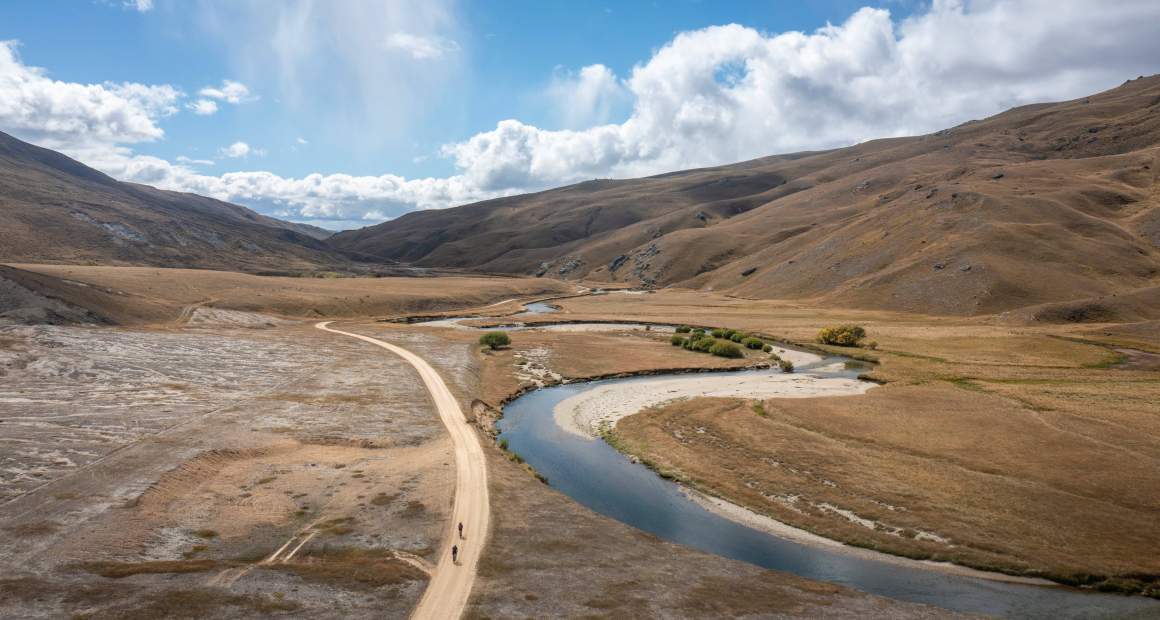
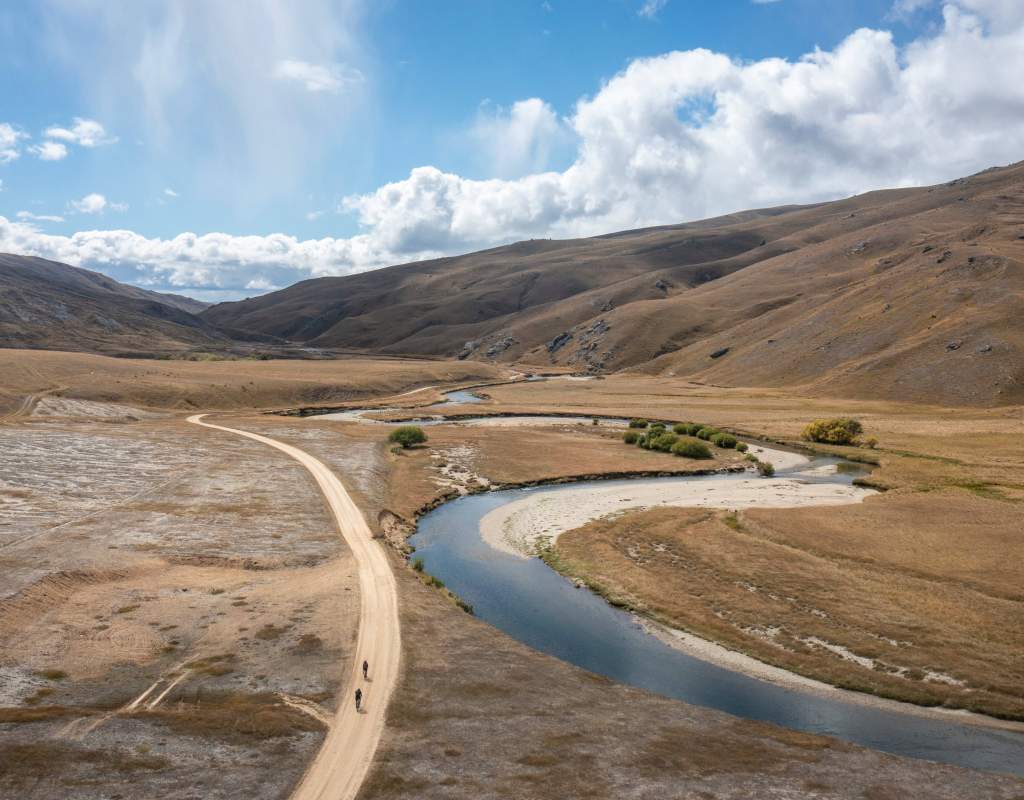
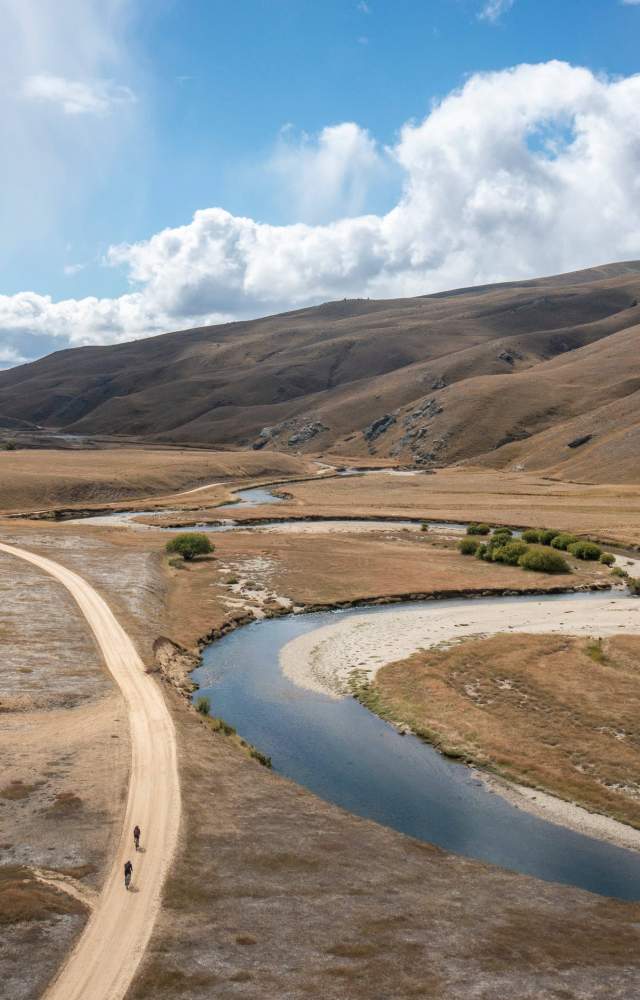
TERRA: Bound - The Southern Way 1000. A short film documenting a newly mapped 1,000km bikepacking route through the lower South Island of New Zealand.
 Play Video
Come on, let's ride (lycra optional)
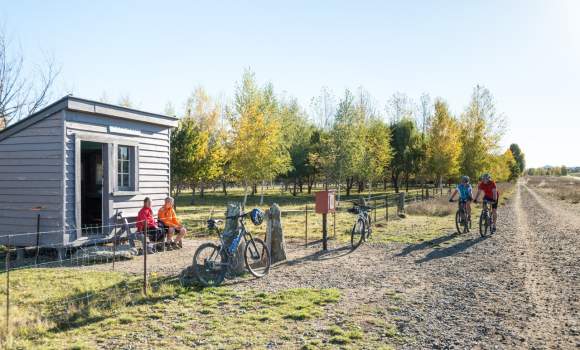
Bike Hire, Tours & Transport
Tracks & Trails
There is a choice of companies to hire from and between them they cover all possible options including children’s bikes and e-bikes.
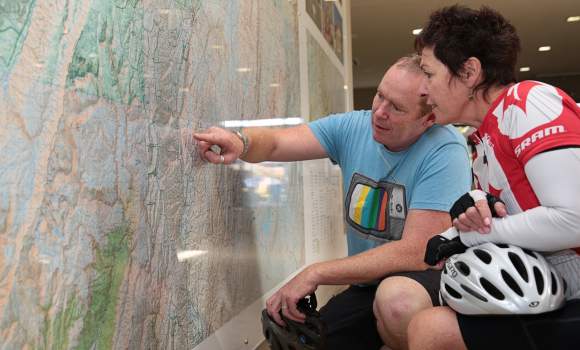
Plan your ride
Tracks & Trails
A little planning will go a long way to ensuring you have an enjoyable and comfortable trip. Oh, and maybe a gel-seat.
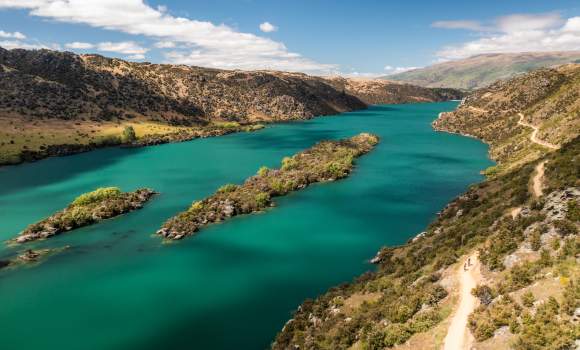
Stories from the Otago Trails
Tracks & Trails
At Trail Hub you’ll find stories, news, itineraries and tips to help you discover trails and towns from Queenstown to Dunedin and throughout Central Otago and Clutha.
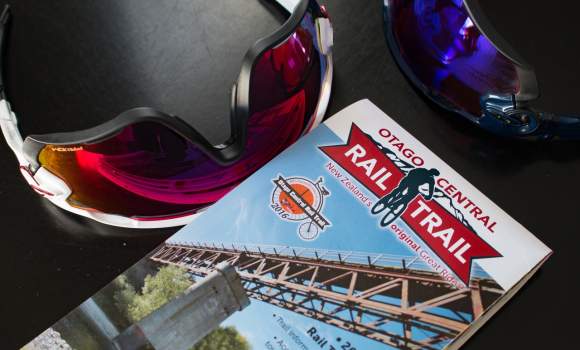
Maps & Guides
Tracks & Trails
Cycle trail maps have key distances, elevations and trail highlights. Don't forget to grab a wine map too.
Getting here
Tracks & Trails
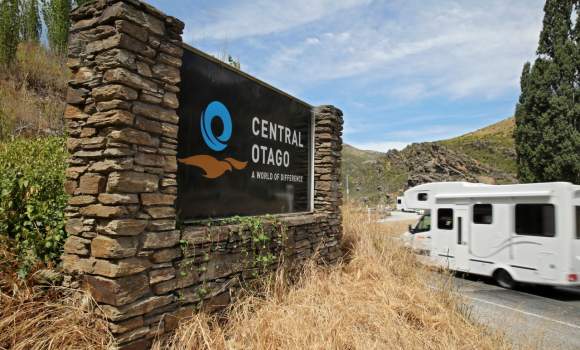
Getting to Central Otago is easy with flights into Queenstown and Dunedin. You can then rent a vehicle, catch a bus, or book a tour and be guided through the area.
Cycle Trail Accommodation
Tracks & Trails
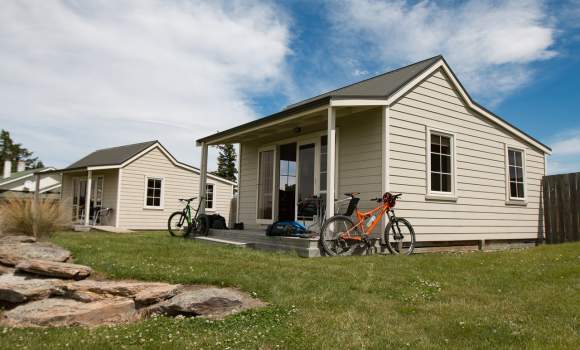
It's not just traditional accommodation, all these historic banks, halls and stables have been repurposed, redesigned, and refurbished to suit the needs of today — yep, they even have wifi.

Ngā Haerenga Great Rides of New Zealand
Tracks & Trails
Explore all 23 of New Zealand's Great Rides and see the best of New Zealand by bike! Check out all the other trails here.